
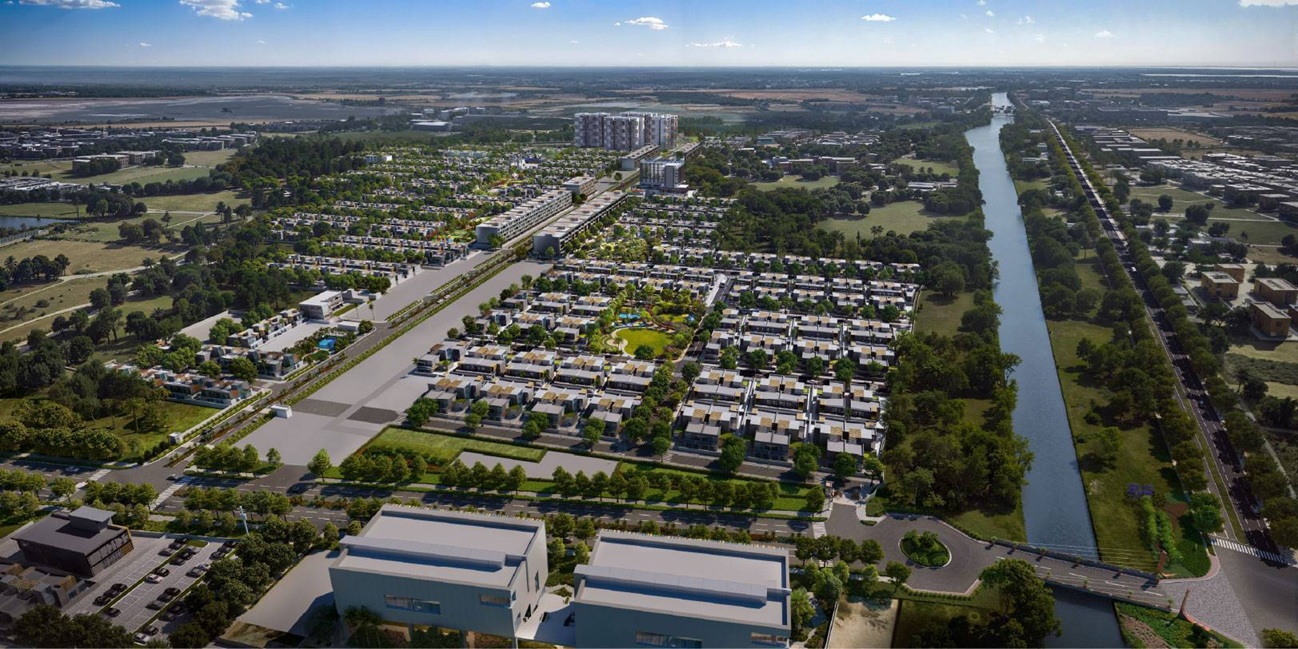
In a significant legal decision, India's Supreme Court has dismissed Vedanta's plea to halt the Adani Group's acquisition of assets from Jaiprakash Associates, which includes the only Formula One track in the country. Vedanta, led by billionaire Anil Agarwal, argued that its bid of $1.8 billion was superior to Adani's $1.5 billion offer. However, the court found that the lenders' panel acted appropriately in favoring Adani's proposal, which featured a higher upfront payment. This ruling underscores the competitive nature of India's real estate sector and highlights the strategic maneuvers undertaken by major players.
The acquisition is poised to significantly bolster the Adani Group's real estate portfolio, particularly in Mumbai, where ambitious projects like the redevelopment of the Dharavi area are already in the pipeline. The inclusion of the Formula One track not only adds a unique asset to Adani's holdings but also signals the conglomerate's intent to enhance its visibility and influence in the sports and entertainment sectors. Karan Adani, a prominent figure within the group, has emphasized the potential for revitalizing Formula One racing in India, viewing it as an opportunity to spur further growth within the company's real estate ventures.
Vedanta's legal challenge reflects the fierce competition among India's wealthiest individuals, with both companies vying for supremacy in the rapidly evolving real estate market. The Supreme Court's decision enables Adani to proceed with its plans without further legal hindrance, allowing the conglomerate to focus on integrating the newly acquired assets and expanding its operational capabilities. As the landscape of Indian real estate continues to shift, the implications of this acquisition will be closely watched by industry analysts and investors alike.
In conclusion, the resolution of this legal dispute marks a pivotal moment for the Adani Group, positioning it for potential growth and increased market share in the real estate sector. With plans to leverage the acquisition for both real estate development and the revival of Formula One racing, the conglomerate's strategic direction could redefine its trajectory in the coming years. As the competition heats up, stakeholders will be keen to observe how this acquisition influences the broader dynamics of real estate investment and development in India.